
Interior Design Process: 6 Essential Steps to Create a Beautiful and Functional Home

A well-planned interior design process is the foundation of a home that feels comfortable, functional, and visually cohesive. Whether you are renovating a new BTO, upgrading a condominium, or refreshing a landed property, every detail matters. From the earliest ideas to the final styling touches, a structured interior design process helps homeowners make better decisions and enjoy a smoother renovation journey.
At the heart of every successful project is thoughtful planning. Good interior design is not only about making a home look beautiful. It is also about improving how the space works for daily living. A clear process helps align layout, storage, materials, lighting, and colours so that every part of the home feels intentional.
Below are the 6 essential steps in our interior design process.

1. Space Planning
Space planning is the starting point of every interior design project. This step focuses on understanding the size, shape, and flow of the home so that every area is used effectively. Before choosing colours, furniture, or finishes, it is important to define how the space should function.
A strong space planning strategy considers traffic flow, built-in storage, zoning, and day-to-day lifestyle needs. For example, a family with children may need more open circulation and hidden storage, while a working couple may prioritise a study corner or multifunctional living area.
This step helps create a home layout that feels open, practical, and comfortable from the beginning.

2. Furniture Layout
Once the overall space planning is established, the next step is furniture layout. This is where the placement of key furniture pieces is planned carefully to support both comfort and function.
Furniture layout is more than simply fitting items into a room. It involves balancing proportions, maintaining smooth circulation, and ensuring the space does not feel overcrowded. The right layout can make a compact room feel more spacious and make a larger room feel warm and inviting.
During this stage, we consider sofa placement, dining arrangements, bed orientation, walkway clearance, and how each piece relates to daily use. A well-planned furniture layout improves the practicality of the home while supporting the overall design direction.

3. Mood Board Creation
Mood board creation is where the design vision begins to take shape visually. This step helps translate ideas into a clearer concept by bringing together reference images, textures, tones, furniture inspiration, and styling direction.
A mood board is useful because it gives homeowners a better understanding of the desired interior look before renovation starts. It helps ensure that the design theme is consistent across all rooms, whether the style is modern luxury, minimalist, Scandinavian, contemporary, or cosy cream-toned.
By reviewing the mood board early, it becomes easier to align expectations and make confident design decisions throughout the rest of the interior design process.
4. Material Selection
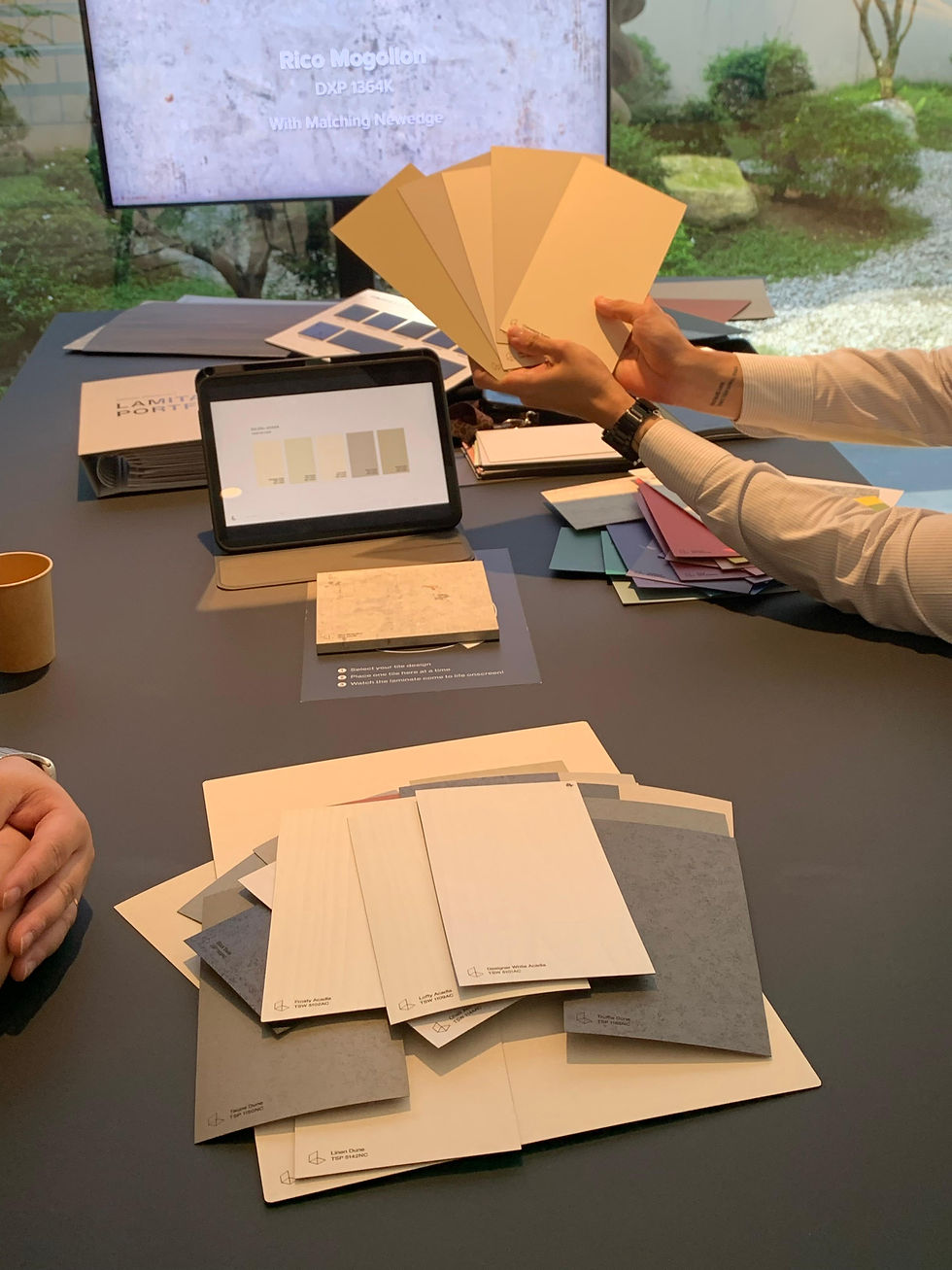
Material selection plays a major role in both the appearance and performance of a home. At this stage, the focus shifts to choosing the right finishes for surfaces such as flooring, countertops, laminates, tiles, cabinetry, and wall treatments.
The right materials should not only suit the design style but also match the homeowner’s lifestyle and maintenance preferences. Some homeowners may prefer easy-to-clean finishes for busy family living, while others may prioritise texture, warmth, or a more premium look.
Careful material selection helps create a home that is durable, cohesive, and comfortable to live in. It also ensures that the design remains visually balanced across different spaces.

5. Lighting Design
Lighting design is one of the most important parts of a well-designed home, yet it is often overlooked. Good lighting enhances mood, improves usability, and highlights key design features within the space.
This step involves planning the right combination of ambient lighting, task lighting, and accent lighting. For example, ambient lighting provides overall brightness, task lighting supports practical activities such as cooking or reading, and accent lighting adds depth and visual interest.
A thoughtful lighting design can completely change the way a home feels. It can make a room feel brighter, softer, more spacious, or more welcoming depending on the function of the space. When planned properly, lighting supports both aesthetics and everyday comfort.

6. Colour Palette Selection
Colour palette selection brings the entire interior concept together. The right colours can influence the mood of a room, strengthen the design theme, and create a more harmonious overall appearance.
This step involves choosing the main tones and supporting shades for walls, cabinetry, furnishings, fabrics, and decorative elements. A well-balanced colour palette helps maintain visual consistency throughout the home while allowing each room to have its own character.
Whether the goal is a calm neutral environment, a warm earthy setting, or a bold modern contrast, colour choices should complement the materials, lighting, and furniture planned in earlier stages. When done well, colour palette selection gives the home a polished and intentional finish.

Why a Structured Interior Design Process Matters
A structured interior design process helps homeowners avoid unnecessary guesswork during renovation. It creates clarity, improves communication, and ensures that each decision supports the bigger design vision. Instead of treating layout, materials, lighting, and colours as separate choices, this approach connects everything into one complete concept.
This also leads to a smoother renovation experience. With a clear plan in place, homeowners can move forward with greater confidence and enjoy a home that looks good, functions well, and reflects their lifestyle.
Start Your Interior Design Journey with Confidence
Every beautiful home begins with a well-planned process. From space planning and furniture layout to mood board creation, material selection, lighting design, and colour palette selection, each step plays an important role in shaping a home that is both practical and visually refined.
If you are planning a home renovation, working with a clear interior design process can make all the difference. It helps turn ideas into a cohesive design and transforms your space into a home that truly works for you.


Comments